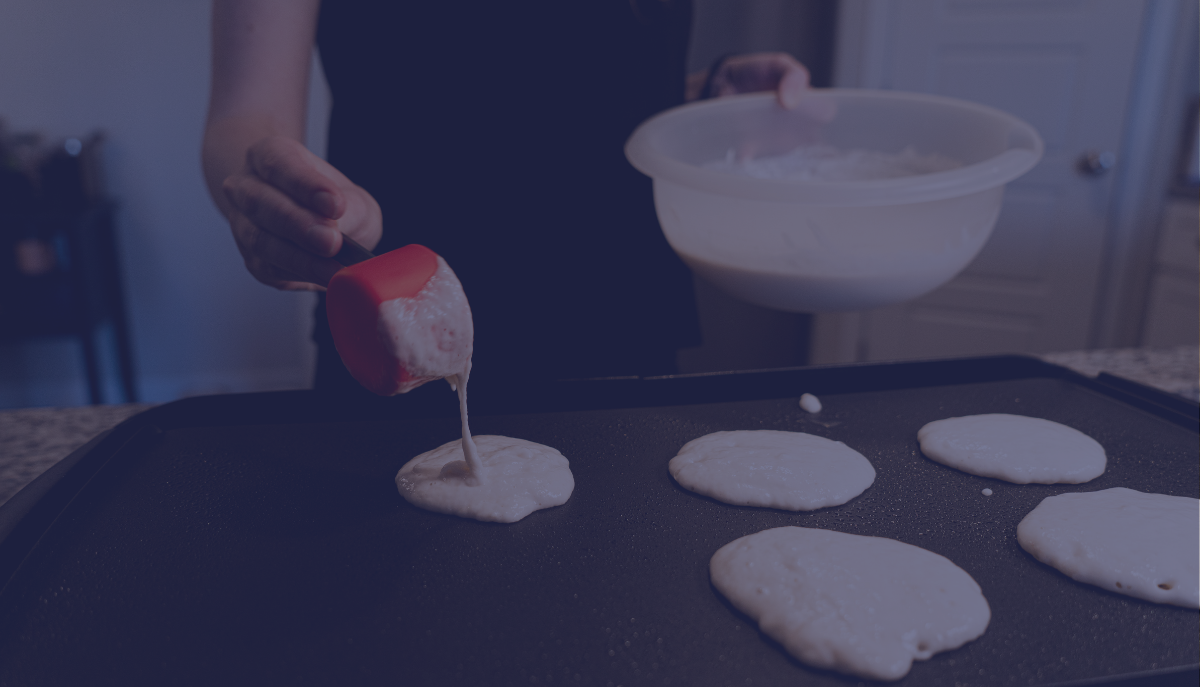
The first pancake
All eyes were on the instructor as she pointed to the array of colourful glazes to choose from and reviewed what we needed to know for the next 90 minutes. Because that was all the time my friend Heather and I had to decorate our humble first attempts at pottery.
The instructor was experienced enough to recognize the mild panic on our faces because she then said, “By the way, this paint is water soluble. If you hate it, you can wash it off and start over.”
Heather replied, “You just said the exact thing people like us need to hear.”
She was right. In that moment, that was what I needed to hear. It was like a pressure release valve was opened, and I could relax.
And sure enough, we grabbed some paint and got started.
Permission to start over
In the pottery studio, having permission to wash off the paint and start fresh was a benefit. Instead of agonizing over making the right choice, we could get started knowing our choices weren’t permanent.
It was okay to make a mistake. By lowering the stakes, it felt safer to get started.
It made me think of my ‘first pancake’ rule when recording videos.
Any time I’m filming a video for a lesson, tutorial, or social media, I will record the whole thing knowing it might be a ‘first pancake’. It’s not that the first pancake you make will be inedible, you just know the next ones will definitely be better. When the first attempt is done, I will often say out loud, “First pancake!”, then hit record and go again. (Obviously this does not apply to live recordings, like my podcast.)
I still want the first attempt to be good. But having permission to try again lets me release the pressure to be perfect from the start. Instead of trying to figure out how to get it right before I get started, I pay attention to what can improve once I’ve already gotten started.
Can it backfire?
A few weeks after the pottery glazing session, I saw a post online about the harm of telling people they can start over if they want. The author argued it can delay progress and lead to the pursuit of a perfect, unattainable result.
It would be like making 50 pancakes and never being satisfied with any of them.
I can see the argument here, and I think there is a balancing act. Permission to start over can remind you the first attempt may be messy, so just get started with the knowledge it’s not permanent. But, that needs to be met with realistic expectations about the end result.
Finding your ‘good enough’
If you are new to a skill, don’t expect your results to match a person with years of experience.
That day in the pottery studio, I wanted my pieces to look good. I also recognized I was a complete beginner. I had already been humbled by the first visit to the studio where we learned to shape our pieces.
So learning we could wash off the paint did ease the pressure and helped me get started.
And even when I started to regret my paint choices for my first piece, I chose not to wash it off and start over. Instead, I opted to let the first one be my ‘first pancake’ and do better on the next two pieces.
Can you guess which one is my ‘first pancake’?
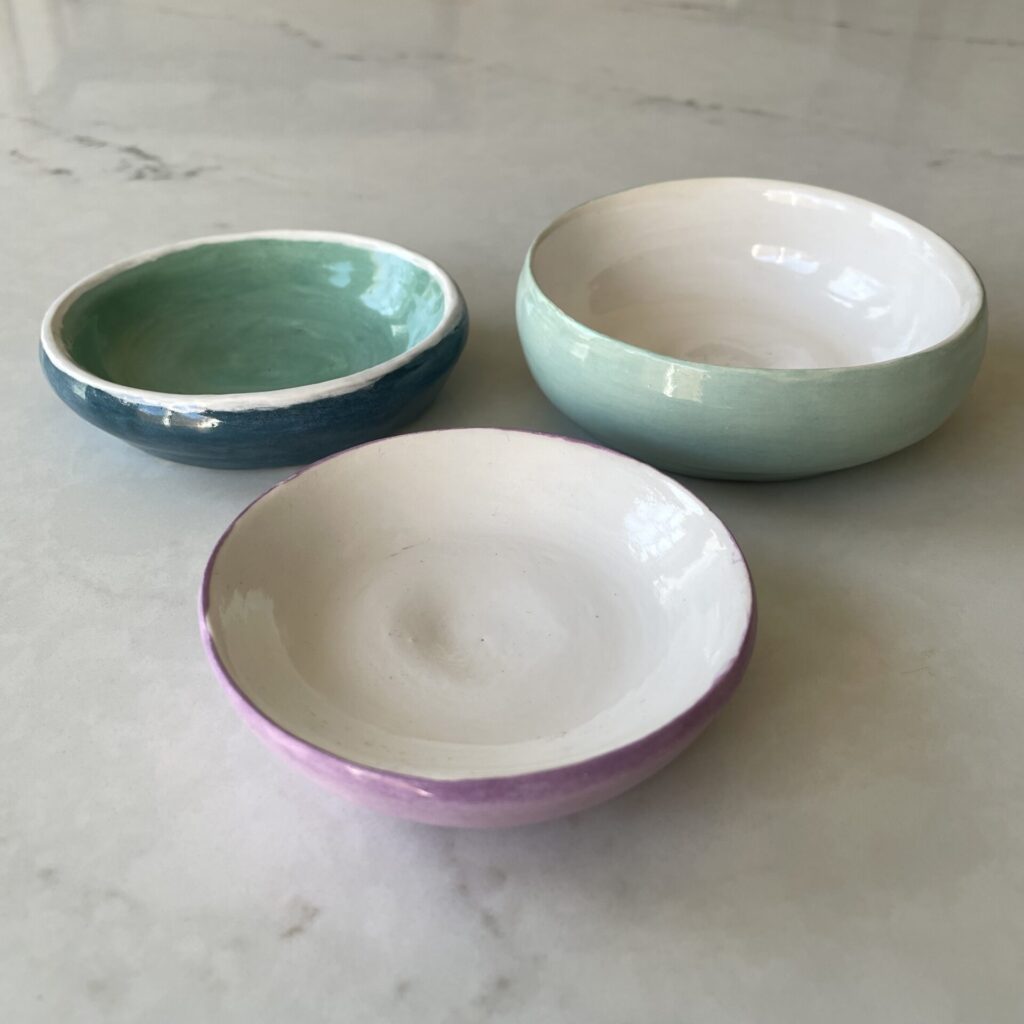
You know what? The first pancake (top left) is the one I see most often. It’s in my kitchen, and I use it for teabags. Every time I look at it, I think, “Oof, that’s ugly.” But then I think about what it represents: evidence of getting started, learning through experience, then getting better on the next attempt. It may not be pretty, but I’m still proud of it.
Want to get these articles by email? Join the newsletter to stay up-to-date and get practical tips on follow-through.